
Burst Water Pipe: A Step-by-Step Guide to Minimizing Damage
By FastMaster · 3 min read
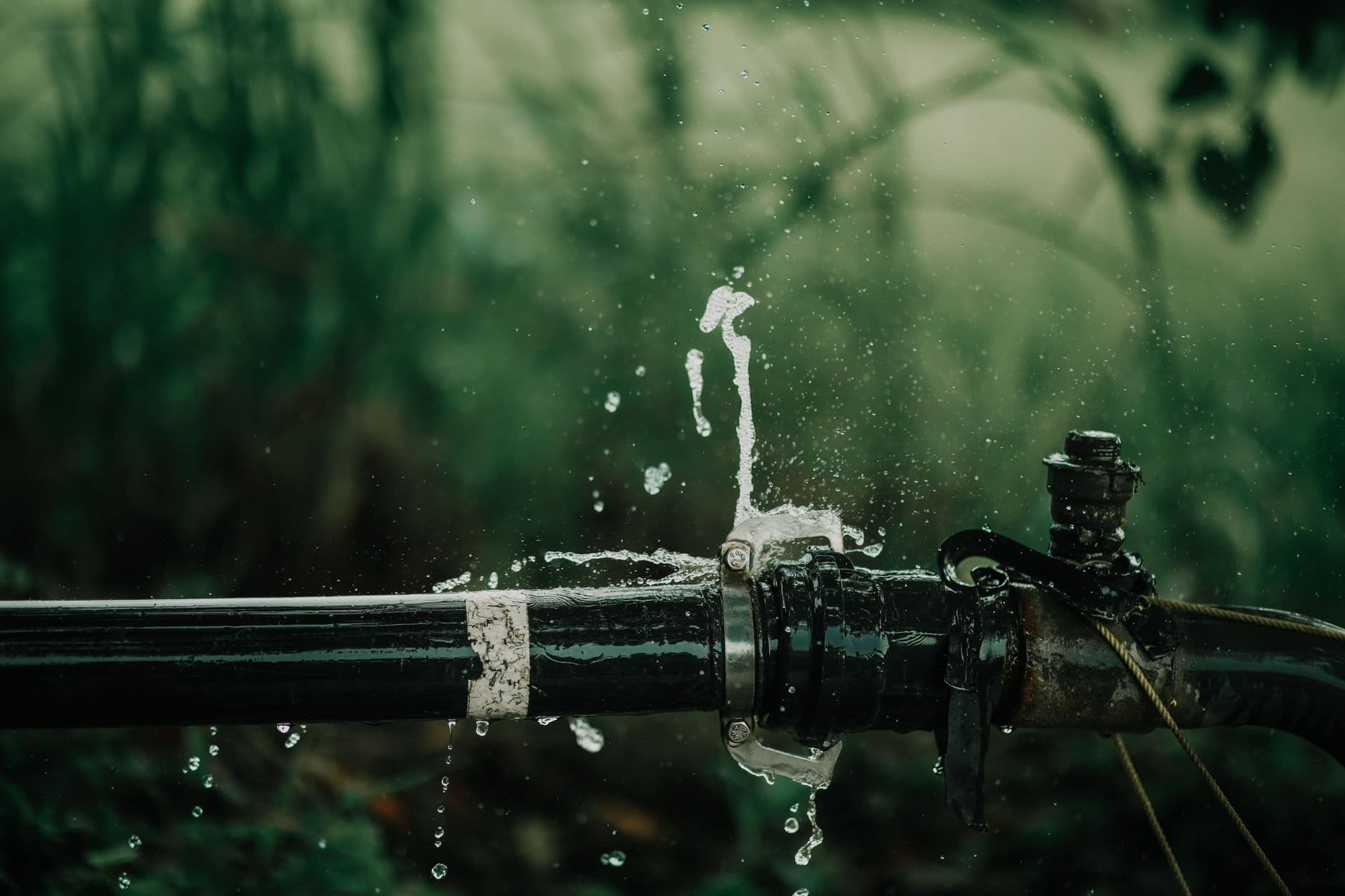
Burst Water Pipe: What to Do in the First Few Minutes?
A burst pipe is one of the most unpleasant events that can happen in any home. Spraying water, soaked floors, and the risk of furniture damage often lead to panic. However, if you know which steps to take, you can significantly reduce the damage.
Step 1: Shut Off the Water Supply
The first and most important action is to turn off the main water valve. It is usually located in the bathroom, kitchen, or near the apartment entrance. Do not waste time inspecting the pipe — stop the water flow first. If the main valve won't close, call for technical assistance immediately.
Step 2: Electrical Safety
Water and electricity together are life-threatening. If a pipe bursts in an area with wiring, outlets, or electrical appliances, be sure to turn off the power at the main breaker box. Do not touch any gadgets or cables that have fallen into the water.
Step 3: Drain the System
Once you have shut off the water, open the faucets at the lowest point in your home. This will release the pressure and water remaining in the pipes, reducing the amount that seeps into your walls or floors.
Step 4: Diagnosis and Assistance
Once you have the situation under control, it's time to contact a specialist. The "FastMaster" team is available 24/7 to help you. Our plumbers will arrive promptly to perform a diagnosis and assess whether the pipe requires a local repair or a full system replacement.
Why You Shouldn't Try to "Fix" It Yourself
Often, patching a pipe with improvised means (tape or glue) is only a temporary solution. Water exits pipes under high pressure, and any unprofessional intervention could turn into a much larger disaster by the next day. Plumbing requires professional tools and experience, especially when dealing with hidden piping.
How to Avoid Future Problems?
- Periodic Inspections: Occasionally check pipe connections for signs of corrosion or damp spots on the walls.
- Pressure Control: If the water pressure in your home is too high, install a pressure regulator.
- Quality Materials: Always use certified materials during renovations.
Remember, at "FastMaster," we understand how stressful these situations are. Our service is focused on transparent pricing and quality results. Don't wait until water destroys your walls — contact us anytime, and we will help you resolve the problem quickly.